


22jl | Strategy Games: A Journey Through Tactical Thinking and Planning
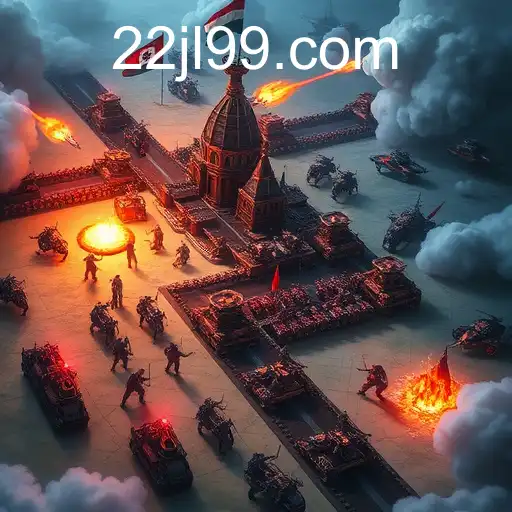
Strategy games have carved out a significant niche in the gaming world, appealing to players who revel in the intellectual challenge of outmaneuvering opponents, managing resources, and crafting detailed plans to achieve victory. As a game category, 'Strategy Games' has become increasingly popular, offering diverse experiences that range from ancient warfare simulations to futuristic space conquest. Players are drawn to the genre's capacity to engage the mind in ways that are both challenging and rewarding. Within this genre, certain key elements stand out, ensuring that each game provides players with a unique blend of mental gymnastics.
The core concept of a strategy game is to employ tactical and strategic thinking. This involves not only responding to unfolding scenarios in real-time but also anticipating future moves, both of oneself and the adversary. Popular sub-genres include turn-based strategy (TBS), real-time strategy (RTS), and grand strategy, each providing a different type of challenge and entertainment.
Turn-based strategy games allow players to take their time deliberating their next move, making it an ideal choice for those who appreciate a more deliberate and calculated approach. Here, players like maneuvering units on a map, akin to chess pieces, where strategic planning takes precedence over speed, and every move can significantly impact future outcomes.
On the other hand, real-time strategy games require quick thinking and faster reactions, as the game doesn’t pause. This dynamic atmosphere offers a more adrenaline-pumping experience. Resource management, building of units and structures, and executing split-second decisions are key ingredients to success.
Grand strategy games elevate the complexity further by simulating entire political or military systems over historic or fictional narratives, allowing players to control nations and empires. These games often require players to manage diplomatic affairs, economic considerations, and military recruitment over extended campaigns.
The appeal of strategy games lies in their ability to offer intellectual satisfaction. The thrill of formulating a strategy, adapting to your opponent’s tactics, and finally achieving triumph through sheer planning is unmatched. This genre not only tests but also sharpens one’s cognitive skills, making it a favorite among players who enjoy mental challenges and strategic problem-solving.
As technology advances and game developers continue to innovate, strategy games grow more sophisticated, offering deeper narratives, complex mechanics, and enhanced multiplayer experiences. This evolving landscape ensures that the allure of strategy games will continue to capture the interest of gamers worldwide, drawing in both lifelong enthusiasts and newcomers to the genre.
